balanced raw diet for dogs recipes
So you’re thinking about making your own dog food? I totally get it! I was in the same boat when I started looking at those ingredient lists on kibble bags and thinking, “What the heck is half this stuff?” If you’ve been wondering whether homemade raw food is worth the fuss, let me break it down for you like I would over coffee.
Why I Ditched Store-Bought Food (And You Might Want To Too)
Look, I’m not here to shame anyone who feeds kibble – we’ve all been there. But once you learn what’s really going on, it’s kinda hard to go back.
Your Dog’s Gonna Feel Amazing
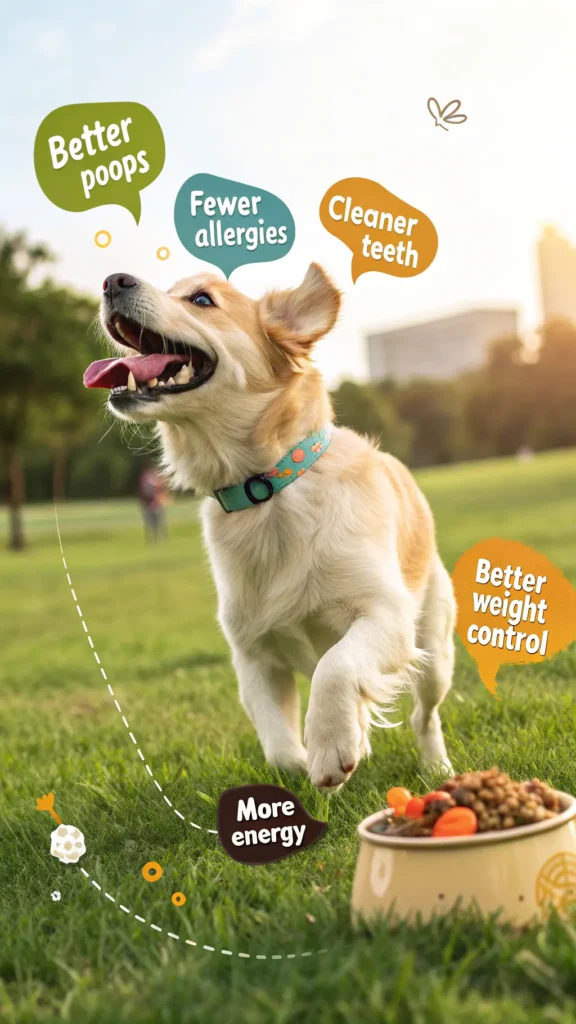
Here’s what I noticed after switching my pup to raw food:
- Better poops (yeah, we’re talking about poop – sorry!) – they’re smaller and way less smelly
- Shiny coat that people actually comment on at the dog park
- Cleaner teeth from all that bone chewing – no more expensive dental cleanings!
- Fewer allergy issues – turns out a lot of dogs are sensitive to all those weird additives
- Better weight control – no more begging for food constantly
- More energy without being hyperactive
You’ll Actually Know What You’re Feeding Them
This was huge for me – no more playing detective with ingredient lists that read like a chemistry experiment. You’ll know exactly what’s going into your dog’s bowl, which is pretty awesome when you think about it.
The Problem with Kibble (Sorry, Not Sorry)
I hate to be the bearer of bad news, but most commercial dog food is basically junk food. They cook the life out of it at super high temps, which destroys most of the good stuff like vitamins and healthy fats. Plus, they throw in cheap fillers like rice that honestly just make your dog fat.
And don’t get me started on those “grain-free” formulas – they’re stuffed with peas, sweet potatoes, and lentils that have been linked to heart problems in dogs. Not exactly what we’re going for, right?
The Raw Food Models (It’s Not as Complicated as It Sounds)
There are basically two camps here, and both work great:
The BARF Diet (Best Name Ever, Right?)
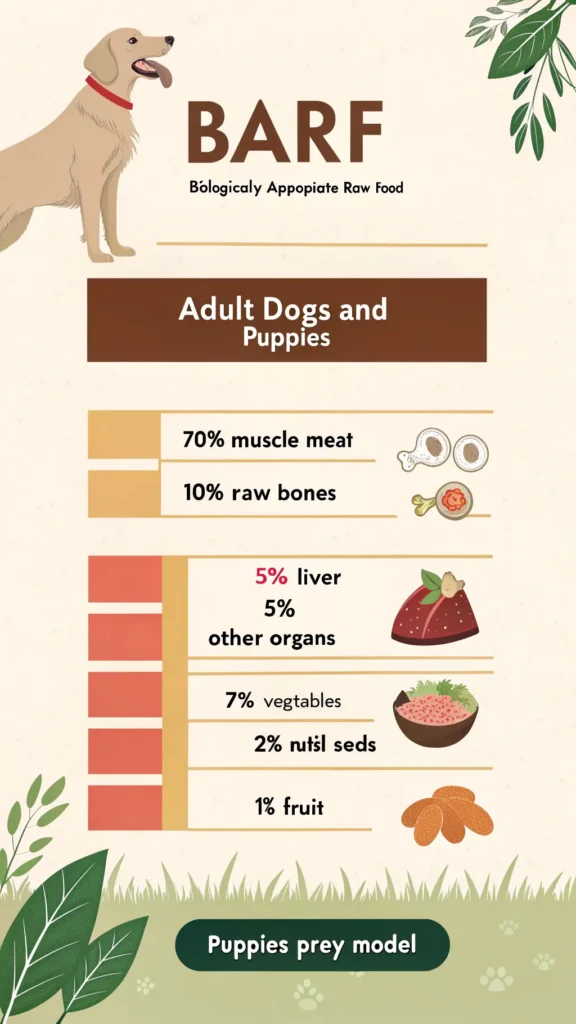
This stands for “Biologically Appropriate Raw Food” (originally “Bones And Raw Food” – both work!). Here’s the basic breakdown for adult dogs:
- 70% muscle meat
- 10% raw bones
- 5% liver
- 5% other organs (kidney, heart, etc.)
- 7% veggies
- 2% nuts/seeds
- 1% fruit
For puppies, you’ll bump up the bones and organs a bit since they’re growing like weeds.
The Prey Model (Keep It Simple)
This one’s even simpler – just think about what a wolf would eat:
- 80% muscle meat
- 10% raw bones
- 5% liver
- 5% other organs
No veggies required, though you can add them as treats if you want.
The Golden Rule That’ll Save Your Sanity
Here’s the thing that took me forever to figure out: you don’t need to make every single meal perfect. Just aim for balance over the week, not every bowl. This makes everything so much easier!
What Goes in the Bowl
Meat (The Main Event)
This is where most of your money’s gonna go, so shop smart! I rotate between chicken, beef, turkey, lamb, and sometimes rabbit (great for dogs with allergies). Try to keep the fat between 10-20% – too much and you’ll end up with a chunky pup and possible liver issues.
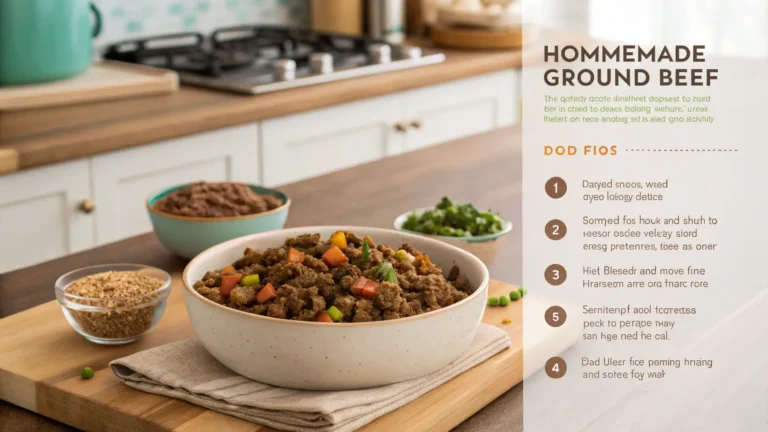
Ground meat works great for small dogs or picky eaters, but bigger dogs love gnawing on whole cuts.
Raw Bones (Your Dog’s Natural Toothbrush)
This part freaked me out at first, but raw bones are totally different from cooked ones. Think chicken necks, turkey necks, or rabbit feet – soft enough to crunch up safely. Never, ever give cooked bones – they’ll splinter and can seriously hurt your dog.
For every pound of meat, add one small raw meaty bone. Easy math!
Organs (Nature’s Multivitamin)
I know, organs sound gross, but dogs go crazy for them. Liver is a must – it’s packed with good stuff. For the rest, kidney and heart are usually easy to find. Pro tip: fish heads count as organs if you can handle buying them!
Fruits and Veggies (The Colorful Stuff)
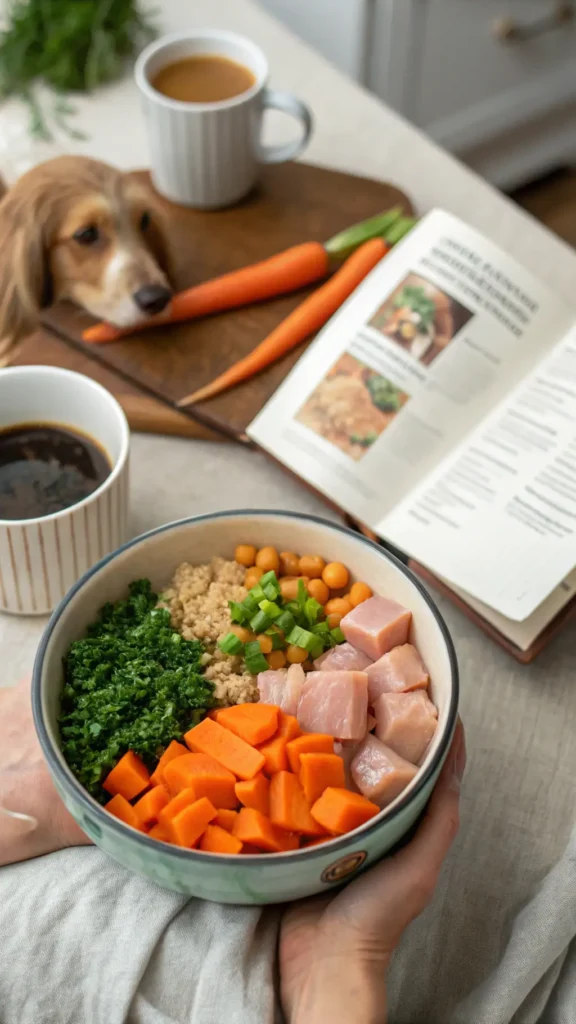
Go for the brightest colors you can find – blueberries, spinach, broccoli, carrots. I usually puree them or steam them lightly so my dog can actually digest them properly.
Don’t Forget These Extras
- Whole eggs (shell and all for extra calcium)
- Fish oil or sardines for that gorgeous coat
- A tiny bit of kelp for iodine (but not for puppies!)
- Maybe some coconut oil because dogs seem to love it
The “Nope” List (Don’t Feed These!)
Some things are just off-limits:
- Chocolate, grapes, onions (the usual suspects)
- Cooked bones (seriously, don’t risk it)
- White rice (empty calories)
- Those peas and lentils I mentioned
- Anything with weird oils or too much fat
Making It Happen (It’s Easier Than You Think)

Prep Day Strategy
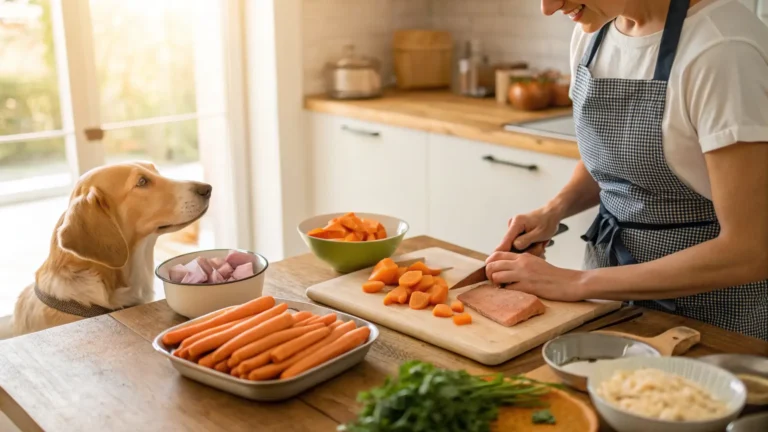
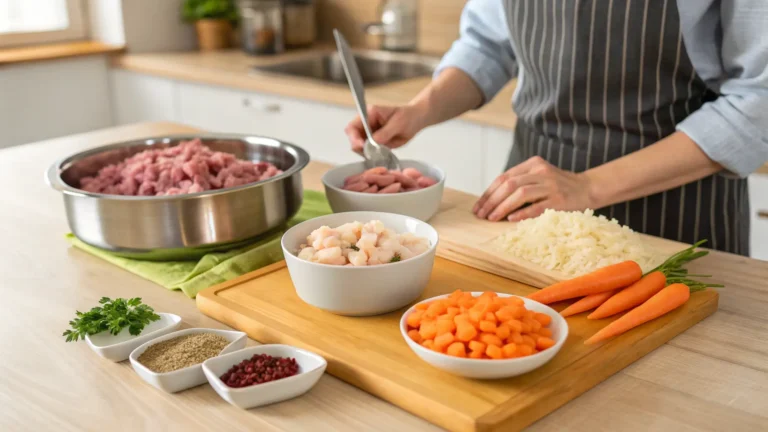
I usually spend one afternoon a month making huge batches. Mix everything up, portion it into containers, and freeze. Pull out tomorrow’s dinner about 6 hours before mealtime to thaw.
How Much to Feed
Most dogs need about 2-3% of their ideal body weight daily. So a 50-pound dog gets about 1-1.5 pounds of food per day. Puppies eat about 2-3% of what they’ll weigh as adults.
Start Slow
Don’t go cold turkey (pun intended) – transition gradually over a week or two. Your dog’s stomach needs time to adjust.
Making It Work for Your Dog
Every dog’s different, just like people. My friend’s couch potato golden needs way less food than my hiking buddy’s border collie. Keep notes on what works – it’ll help you dial in the perfect recipe.
If your dog has allergies or health issues, this is actually perfect because you control everything. Need to cut carbs? Easy. Food sensitivities? Switch proteins. It’s like having a custom meal plan.
Let’s Be Real About This
Is it more work than opening a bag of kibble? Yeah, definitely. But once you get into a routine, it’s not that bad. And honestly? Watching your dog go absolutely nuts for a meal you made is pretty rewarding.
Plus, it often ends up being cheaper than the good commercial stuff, especially if you find a butcher who’ll work with you.
Ready to Give It a Shot?
Look, I’m not gonna lie and say it’s for everyone. But if you’re curious and want more control over what your dog eats, it’s totally doable. Start simple, don’t stress about perfection, and see how your pup does.
The worst that happens? You go back to kibble. The best that happens? You’ve got a healthier, happier dog who thinks you’re the greatest human ever (which, let’s face it, you probably already are).
If you want to dive deeper or need help with specific recipes, there are tons of resources out there, including consultations with actual canine nutritionists. But honestly, once you get the hang of it, it becomes second nature.
Your dog’s gonna thank you for it – probably by giving you those adorable “please sir, can I have some more?” eyes every single mealtime!