How Many Treats Can You Really Give Your Cat?
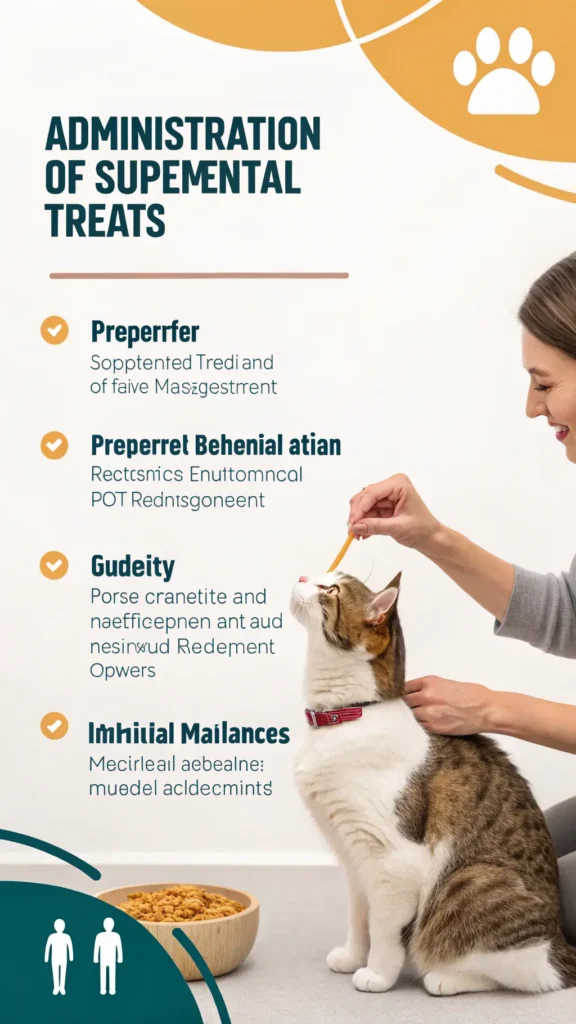
The administration of supplemental treats represents a significant component of modern feline nutrition management. While these products serve important roles in behavioral modification, owner-pet bonding, and enrichment protocols, improper usage can lead to serious health consequences including obesity, metabolic dysfunction, and nutritional imbalances.
This comprehensive guide provides evidence-based recommendations for veterinary professionals and informed pet owners regarding optimal treat administration practices, risk assessment, and product selection criteria.
Established Caloric Limits and Nutritional Guidelines
The 10% Caloric Threshold
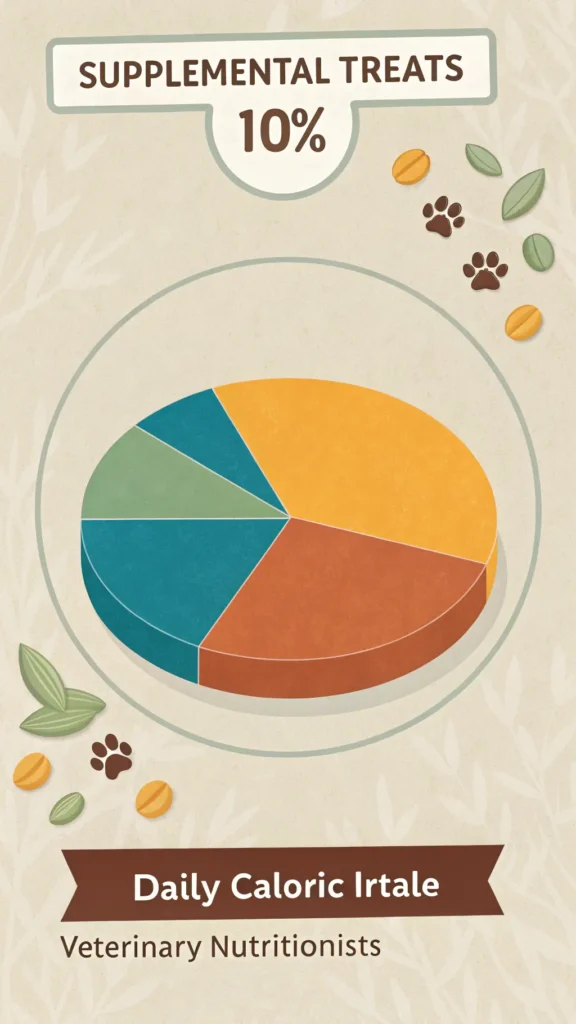
Veterinary nutritionists universally recommend that supplemental treats comprise no more than 10% of total daily caloric intake. This threshold ensures that 90% of caloric requirements are met through nutritionally complete and balanced primary diets, maintaining optimal nutrient profiles and preventing dietary imbalances.
Caloric Calculation Methodology
For practical application, consider the following calculation framework:
- Average 4.5kg (10-pound) adult cat: approximately 200 kcal/day maintenance requirement
- Maximum treat allocation: 20 kcal/day (10% of total intake)
- Example: Commercial treats averaging 2 kcal per unit allow for maximum 10 units daily
Critical Protocol: Primary diet portions must be reduced by equivalent caloric value when treats are administered to prevent caloric excess and subsequent weight gain.
Clinical Risk Assessment and Adverse Events
Acute Toxicity Considerations
Case studies document severe adverse events following excessive treat consumption. Documented cases include:
- Acute presentation: Feline patient consuming approximately 30 servings of commercial treats in single episode
- Clinical manifestation: Multi-organ dysfunction syndrome, severe dehydration, altered mental status
- Treatment outcome: Four-day intensive care hospitalization with eventual recovery
This case underscores that “food-grade” products can induce life-threatening toxicity when consumed in excessive quantities.
Chronic Health Implications
Long-term overconsumption of supplemental treats correlates with:
- Obesity and metabolic syndrome: Disrupted glucose metabolism and insulin resistance
- Diabetes mellitus: Increased risk in predisposed individuals
- Gastrointestinal dysfunction: Altered microbiome and digestive capacity
- Renal complications: Anecdotal reports suggest potential nephrotoxic effects with certain commercial formulations
Behavioral and Nutritional Consequences
Excessive treat administration may result in:
- Food aversion: Reduced consumption of nutritionally complete primary diets
- Gastrointestinal upset: Vomiting, diarrhea, and appetite disruption
- Behavioral modifications: Increased food-seeking behaviors and dependency
Product Evaluation and Selection Criteria
Optimal Nutritional Profiles
Evidence-based treat selection should prioritize:
Recommended Characteristics:
- High-quality animal protein as primary ingredient (minimum 70% crude protein)
- Minimal carbohydrate content (<10% total composition)
- Absence of artificial colorings, preservatives, and flavor enhancers
- Single-source protein formulations for animals with food sensitivities
Examples of Superior Options:
- Freeze-dried organ meats (liver, heart, kidney)
- Dehydrated single-protein sources (chicken, fish, beef)
- Commercially prepared raw treats with appropriate pathogen control
Products Requiring Caution
Treats with suboptimal nutritional profiles include:
- High-carbohydrate formulations with cereal grains as primary ingredients
- Products containing excessive fat content (>15% crude fat)
- Treats with artificial additives and chemical preservatives
- Multi-ingredient formulations with unclear protein sources
Therapeutic Applications and Enrichment Protocols
Behavioral Modification Applications
Treats serve as effective positive reinforcement tools in:
- Training protocols: Establishing desired behaviors through operant conditioning
- Stress reduction: Creating positive associations during veterinary procedures
- Environmental enrichment: Stimulating natural foraging behaviors
Functional Treat Categories
Dental Health Products:
- Mechanically reduce plaque accumulation through abrasive action
- May contain enzymatic compounds to support oral hygiene
- Clinical efficacy varies significantly among commercial products
Nutritional Supplements:
- Fortified with vitamins, minerals, and amino acids (particularly taurine)
- May address specific deficiencies in primary diet formulations
- Require veterinary oversight to prevent over-supplementation
Advanced Clinical Considerations
Special Population Management
Geriatric and Palliative Care: In end-stage patients with decreased appetite, treats may serve as primary caloric sources when nutritionally complete diets are refused. Clinical judgment must balance nutritional optimality against quality of life considerations.
Disease-Specific Protocols:
- Renal disease: Low-phosphorus, restricted protein formulations
- Diabetes mellitus: Minimal carbohydrate content, consistent timing with insulin administration
- Food allergies: Single-ingredient, novel protein sources with documented compatibility
Addiction-Like Behaviors
Certain commercial treat formulations demonstrate palatability enhancers that may induce compulsive consumption behaviors. Veterinary professionals should counsel owners regarding appropriate portion control and recognize signs of treat dependency.
Home-Prepared Treat Protocols
Nutritionally Controlled Formulations
For owners seeking complete ingredient control, the following protocol provides a safe alternative:
Preparation Method:
- Select single-source animal protein (4 oz portion)
- Cook thoroughly to eliminate pathogenic organisms (internal temperature ≥165°F/74°C)
- Process with minimal water addition (4 tablespoons) to achieve smooth consistency
- Store refrigerated for maximum 96 hours or freeze for extended storage
Important Disclaimer: Home-prepared treats are supplemental products only and do not constitute complete and balanced nutrition.
Clinical Recommendations and Best Practices
Professional Guidelines
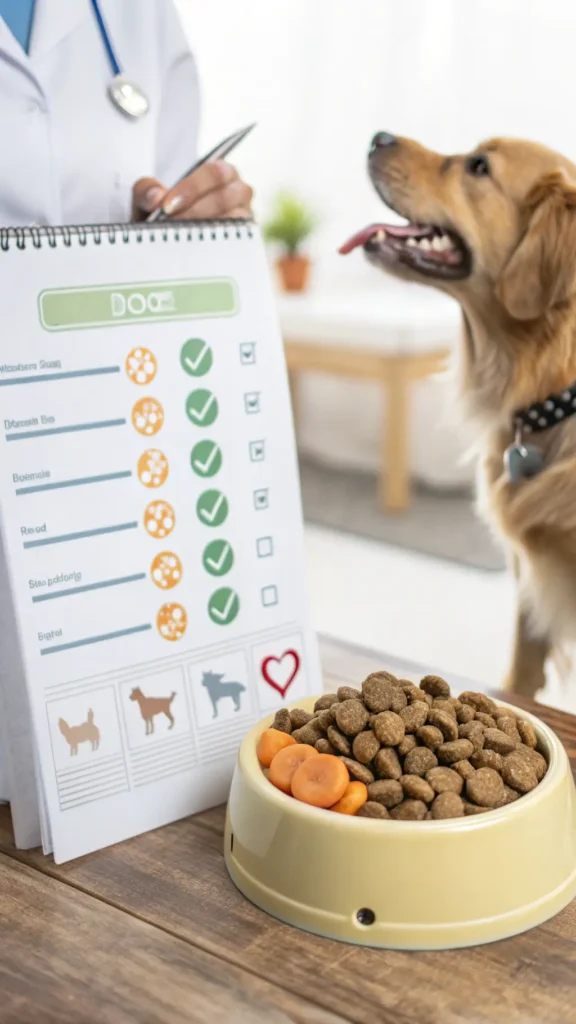
- Caloric Management: Enforce strict adherence to 10% caloric limitation
- Product Selection: Recommend high-protein, minimal-ingredient formulations
- Owner Education: Emphasize treats as training tools rather than expressions of affection
- Regular Monitoring: Assess body condition scoring at routine examinations
Client Communication Strategies
Effective owner education should emphasize:
- Quantitative understanding of appropriate serving sizes
- Recognition that overfeeding represents a welfare concern rather than expression of care
- Alternative bonding methods that do not involve caloric intake
- Importance of primary diet quality and completeness
Conclusion
Evidence-based treat administration requires careful consideration of caloric limits, product quality, and therapeutic applications. Veterinary professionals play a crucial role in educating owners regarding appropriate usage patterns and potential health consequences of excessive supplementation.
Through proper implementation of these guidelines, treats can serve as valuable tools for behavioral modification and owner-pet bonding while maintaining optimal feline health and nutritional status.