vegetarian recipes for dogs 2026
So you’re wondering if your furry buddy can ditch the meat and go green? I get it – it’s one of those topics that’ll get people either super excited or ready to argue at the dog park. But here’s the thing: dogs actually CAN thrive on plant-based diets when done right. Let me break it down for you!
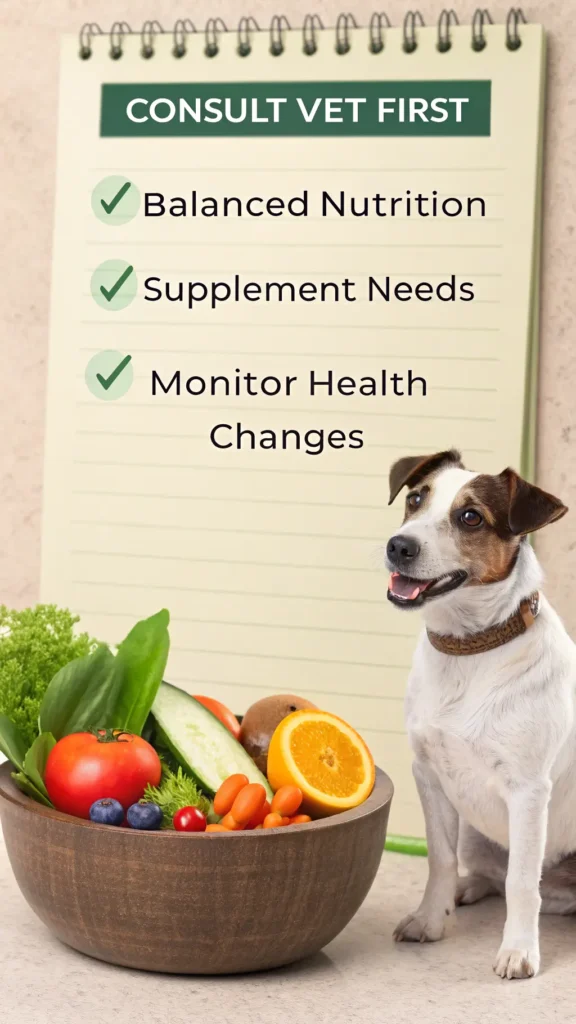
Quick heads up though: Before you toss out the kibble and start cooking up a storm, definitely chat with your vet first. They know your pup’s specific needs way better than any guide (including this one!).
Why Would Anyone Do This Anyway?
Look, I know what you’re thinking – “Dogs eat meat, right?” Well, yeah, but there are actually some pretty solid reasons people make the switch:
Your Dog Might Actually Be Allergic to Meat
Plot twist! Just like some people can’t handle shellfish, some dogs are straight-up allergic to chicken, beef, or other meat proteins. If your pup’s been scratching like crazy or having tummy troubles, a plant-based diet might be the answer they’ve been looking for.
The Health Perks Are Real
Once you get the nutrition dialed in, you might notice some cool changes:
- Less itchy, irritated skin (seriously, it’s like the second most common cause of skin issues after fleas)
- Better digestion and easier bathroom breaks (thanks, fiber!)
- Weight management becomes way easier
- Some folks swear it helps with kidney stones and liver issues
- Better hydration since homemade meals have more water than dry kibble
Going Green for Good Vibes
If you’re trying to shrink your carbon pawprint (see what I did there?), feeding your dog plants instead of factory-farmed meat is a pretty impactful move.
When NOT to Do This
Here’s where I gotta be real with you: don’t switch your dog to veggie just because YOU’RE vegetarian. That’s not fair to them unless they actually need it for health reasons. If feeding meat bugs you that much, maybe consider a rabbit or bird as your next pet instead?
Alright, How Do You Actually Do This?
Making your own plant-based dog food isn’t rocket science, but you do need to pay attention to getting all the right nutrients.
The Building Blocks Your Pup Needs
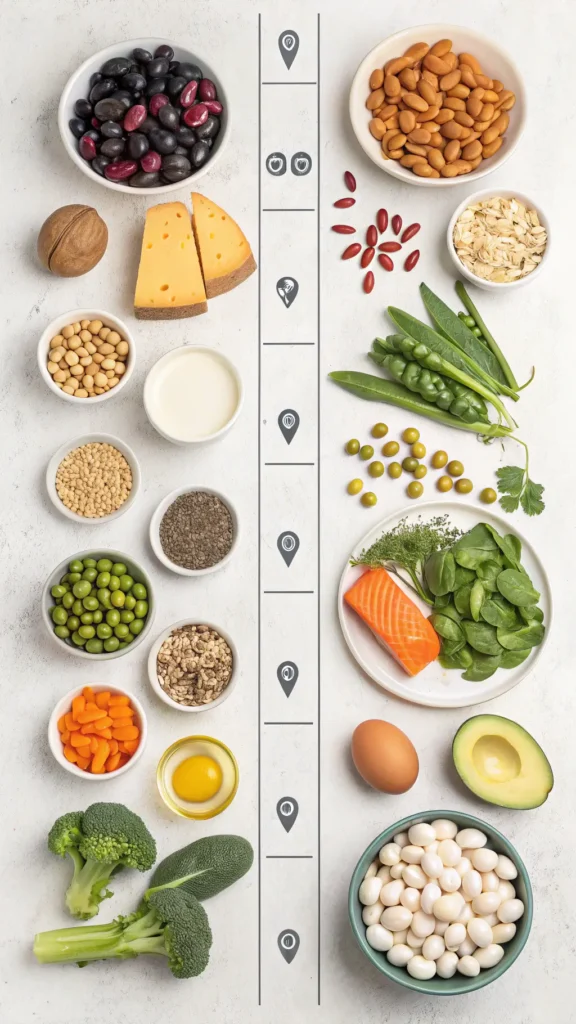
Protein (the big one everyone worries about):
- Lentils are your best friend here
- Beans of all kinds – black beans, kidney beans, chickpeas, black-eyed peas
- Tofu (yeah, really!)
- Quinoa and oats
- If you’re doing vegetarian (not vegan), eggs are fantastic
Calcium (for strong bones and teeth):
- Leafy greens like spinach, kale, collard greens
- Butternut squash
- Plain yogurt
All the Good Stuff (vitamins and minerals): Basically, raid the produce section! Apples, pears, zucchini, carrots, sweet potatoes, peas, green beans, broccoli, cauliflower – you get the idea.
Healthy Fats:
- Flaxseed and chia seeds
- Hemp oil
- For puppies, add some flax oil and algae powder
Foods That’ll Make Your Dog Sick (Don’t Use These!)
- Grapes and raisins (super toxic!)
- Garlic and onions
- Mushrooms
- Anything spicy
- Macadamia nuts
Some Recipes to Get You Started
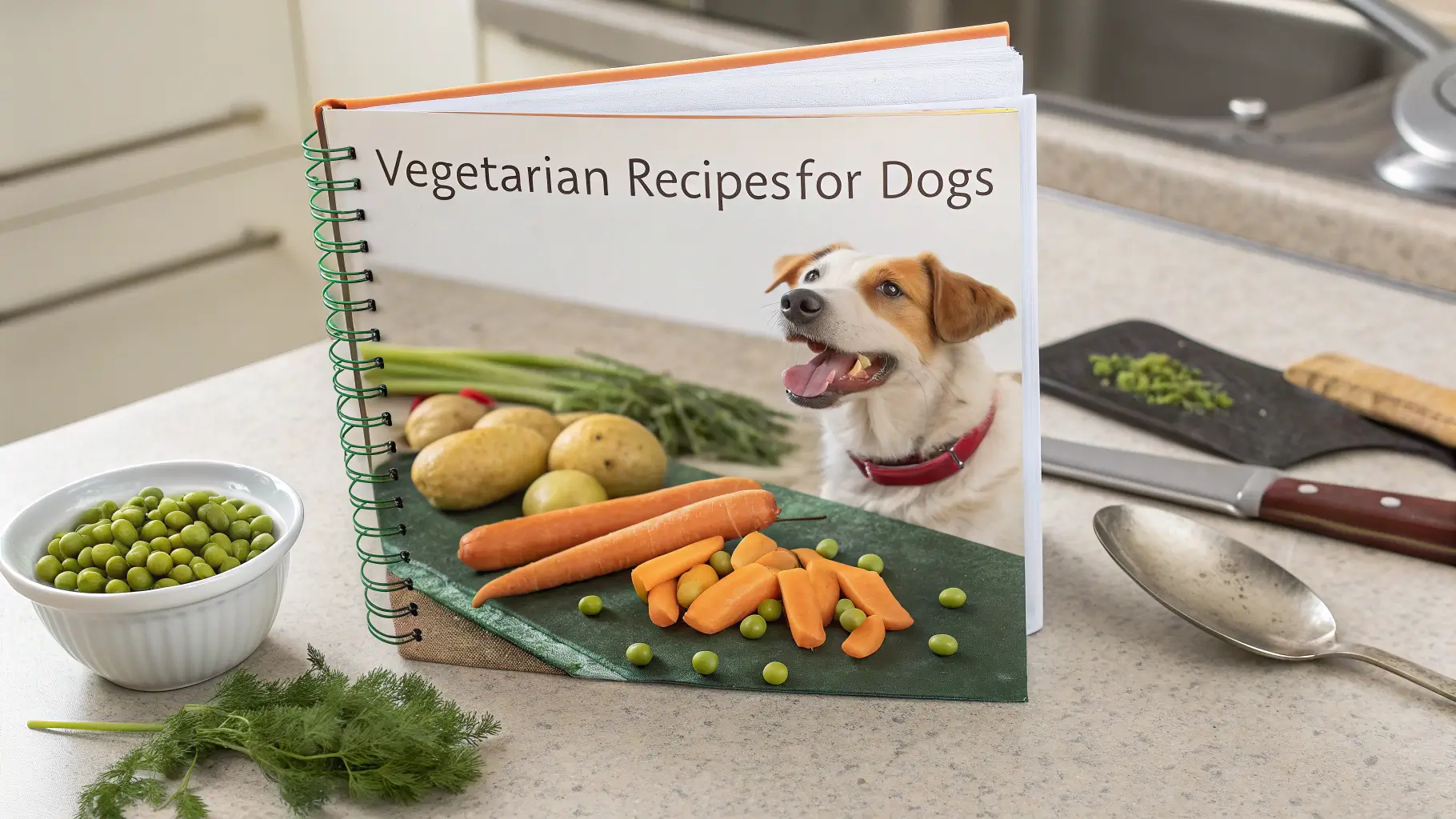
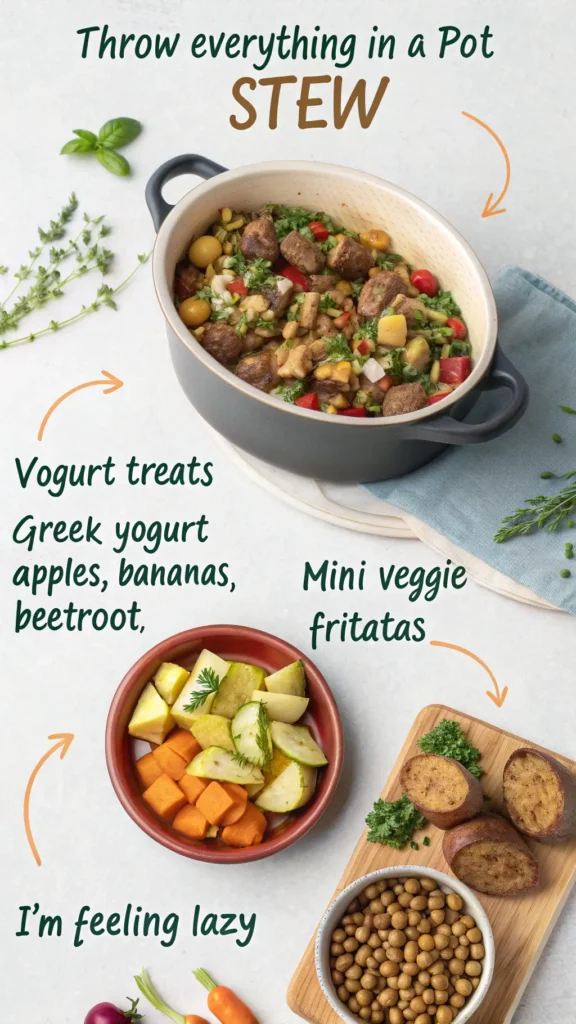
The “Throw Everything in a Pot” Stew: Mix up some lentils, crumbled tofu, diced potatoes, and carrots. Add some dulse flakes (fancy seaweed stuff) and hemp oil. Your dog will think you’re a gourmet chef.
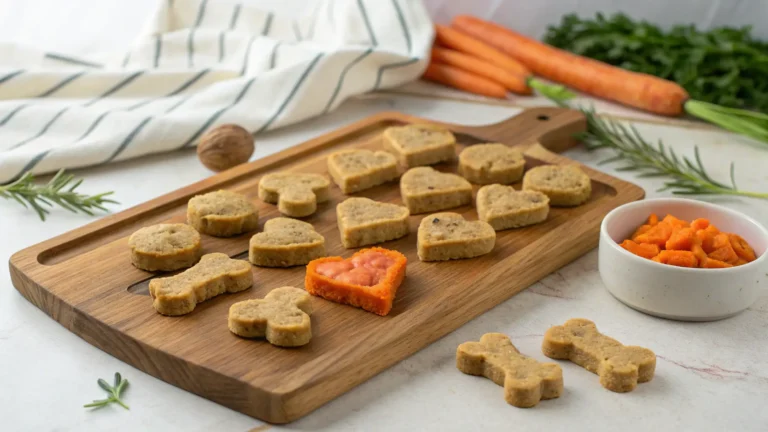
Yogurt Treats: Greek yogurt + chopped apples + bananas + a bit of beetroot. Freeze it for a summer treat that’s basically doggie ice cream.
Mini Veggie Frittatas: Beat some eggs with finely chopped dog-safe veggies (spinach, carrots, zucchini) and a pinch of turmeric. Bake in muffin tins for portion-perfect meals.
The “I’m Feeling Lazy” Method: Cook a big batch of brown rice and beans once a week. Steam some sweet potatoes. Each day, mix it with frozen peas and whatever fresh veggies you’ve got lying around. Done!
Making Your Life Easier
Get yourself an Instant Pot or slow cooker – seriously, it’s a game-changer. Cook huge batches and freeze individual portions. Your future self will thank you when it’s dinner time and you just need to thaw and serve.
Pro tip: If your dog’s a picky eater, blend everything into a “tasty mush” so they can’t pick out the vegetables they don’t like. Sneaky but effective!
The Tricky Parts (Because Nothing’s Perfect)

- Reduce Shedding + Improve Skin and Coat – Plano Paws Wild Caught Omega 3 for Dogs is made with pure Anchovies, Herring, …
- Low Odor, Safe + Effective – Our pet liquid fish oil is human grade and molecularly distilled to remove harmful toxins a…
- For All Breeds and Ages – Our fish oil for dogs liquid pump makes it easy to give your dog omega 3 oils they need to sta…
You’re Probably Gonna Need Supplements
Here’s the thing – homemade plant diets often need a little boost to cover all the nutritional bases:
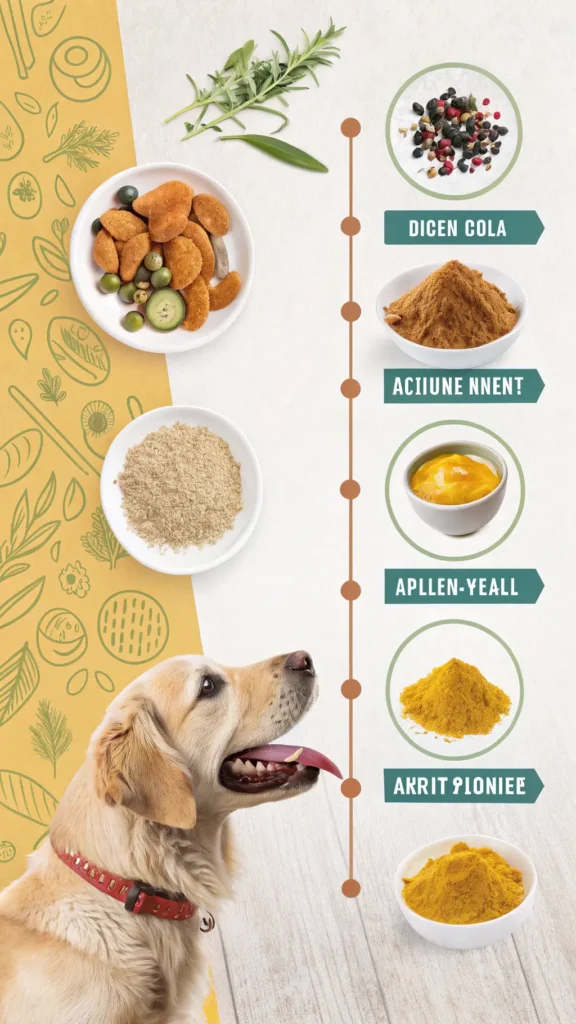
- Nutritional yeast: Gives you that cheesy flavor dogs love plus B12. Sprinkle it on AFTER cooking to keep the nutrients.
- Dulse flakes: For iodine (that seaweed life)
- Turmeric: Great for inflammation and joint health
- Omega-3 supplements: Flax oil or algae powder, especially important for puppies
Some folks worry about vitamin deficiencies, but honestly, one owner I know has been doing this for over 10 years with perfect bloodwork results. The key is working with your vet and getting regular check-ups.
It’s Cheaper Than You Think
Forget what you’ve heard about expensive specialty diets – cooking plant-based meals at home is actually way cheaper than premium kibble. Plus, if you’ve got a garden, you can use up all those extra vegetables you don’t know what to do with.
Making the Switch Without Drama
Don’t just flip the food bowl overnight – that’s a recipe for upset tummies. Do it gradually over about a week:
- Days 1-2: 75% old food, 25% new food
- Days 3-4: 50/50 split
- Days 5-6: 25% old food, 75% new food
- Day 7+: All new food
Add some pumpkin puree (the plain stuff, not pie filling) to help with digestion during the transition.
What If Your Dog’s Not Having It?
Some dogs are drama queens about food changes. Try:
- Mixing everything together so they can’t be selective
- Adding nutritional yeast for that irresistible cheesy flavor
- Switching up ingredients each batch to keep things interesting
- Mixing with a little bit of their old kibble
Keep an Eye on Things
Regular vet visits and blood work are super important, especially in the first year. Look for good signs like a shiny coat, lots of energy, and normal bathroom habits.
Special Notes:
- For senior dogs (7+), try replacing beans with oats – easier on the digestion
- Puppies need extra omega-3s, so bump up that flax oil
- Big, active dogs might need massive amounts of food, so you might want to supplement with some commercial vegan kibble
Don’t Want to Cook? No Problem!
If making homemade food sounds like too much work (no judgment!), there are some solid commercial options:
Fully Vegan Brands:
- Wild Earth – made by actual dog nutritionists
- V-Dog – been around forever and dogs love it
Vegetarian Options:
- Natural Balance
- Pet Guard
- Evolution Diet
Just make sure whatever you pick says “complete and balanced” on the label and check out the first five ingredients to see what you’re actually getting.
The Bottom Line
Look, can dogs thrive on plant-based diets? Absolutely, when it’s done thoughtfully. Is it right for every dog? Nope. But if your pup has allergies or you want to reduce your environmental impact, it’s totally doable.
The key is doing your homework, working with your vet, and paying attention to how your dog responds. Some dogs take to it immediately, others need more time and tweaking.
And hey, if this all sounds overwhelming, start small – maybe just replace one meal a week with a homemade veggie option and see how it goes. You’ve got this!