homemade dog food recipes for puppy
So you’re thinking about ditching the kibble and cooking for your pup? I get it! There’s something really appealing about knowing exactly what’s going into your dog’s bowl. But before you tie on that apron, let me give you the honest lowdown on homemade dog food – the good, the bad, and the “oh crap, I didn’t know that” parts.

Why People Are Going Homemade (And Why It Makes Sense)
You Actually Know What’s In There
Let’s be real – have you ever tried to decode a commercial dog food label? It’s like reading hieroglyphics! Terms like “animal by-product” could literally be anything. When you make food at home, you get to pick the good stuff: quality meat, real vegetables, and ingredients you can actually pronounce.
Perfect for Picky or Sensitive Pups
Got a dog with allergies or a touchy stomach? Homemade might be a game-changer. You can create meals that avoid their trigger foods (looking at you, chicken and wheat) and slowly introduce new ingredients to figure out what works. Many dog parents see huge improvements – less itching, better poops, fewer emergency vet visits. Win-win!
Bye-Bye Weird Chemicals
Here’s something that might make your skin crawl: commercial dog foods often contain preservatives like BHA and BHT (linked to cancer in animal studies) and something called Ethoxyquin that’s actually banned in human food. Not to mention artificial colors that serve zero purpose except to make the food look “appetizing” to us humans. Your dog doesn’t care if their dinner is rainbow-colored!
Some commercial foods also contain what’s euphemistically called “4D meats” – from animals that were dead, dying, diseased, or disabled. Gross, right? When you cook at home, you’re using the same quality ingredients you’d eat yourself.
Better Nutrition (When Done Right)
The crazy-high heat used to make kibble can destroy a lot of the good stuff – B vitamins, antioxidants, healthy fats. Gentle home cooking methods like steaming or baking preserve way more nutrients. Plus, whole foods come with natural enzymes and antioxidants that work better together than synthetic vitamins flying solo.
The Proof Is in the Pudding
A 2024 study looked at 167 dogs on homemade diets and found some pretty impressive results: 95% of dogs with tummy troubles got better, 83% with skin issues improved, and even healthy dogs showed shinier coats and better digestion. Not too shabby!
But Hold Your Horses – Here’s What Could Go Wrong
Most Recipes Are Actually Pretty Bad
This one’s a real buzzkill. A UC Davis study found that only 5% of popular homemade dog food recipes actually met basic nutritional standards. Most were missing crucial stuff like calcium, essential fatty acids, and trace minerals. Yikes!
It’s Way More Complicated Than It Looks
Balancing all the nutrients your dog needs is like solving a really complex puzzle, especially for puppies who need precise amounts for healthy growth. You can’t just eyeball it and hope for the best.
Sometimes You Can Go Overboard
While most homemade diets are missing nutrients, some recipes go too far in the other direction and overdose on things like Vitamin D. Balance is everything!
Your Wallet Might Not Love It
Surprise! Good-quality ingredients often cost more than a bag of decent kibble. Plus, there’s the time factor – you’re basically becoming a short-order cook for your dog.
Some Foods Are Dog Kryptonite
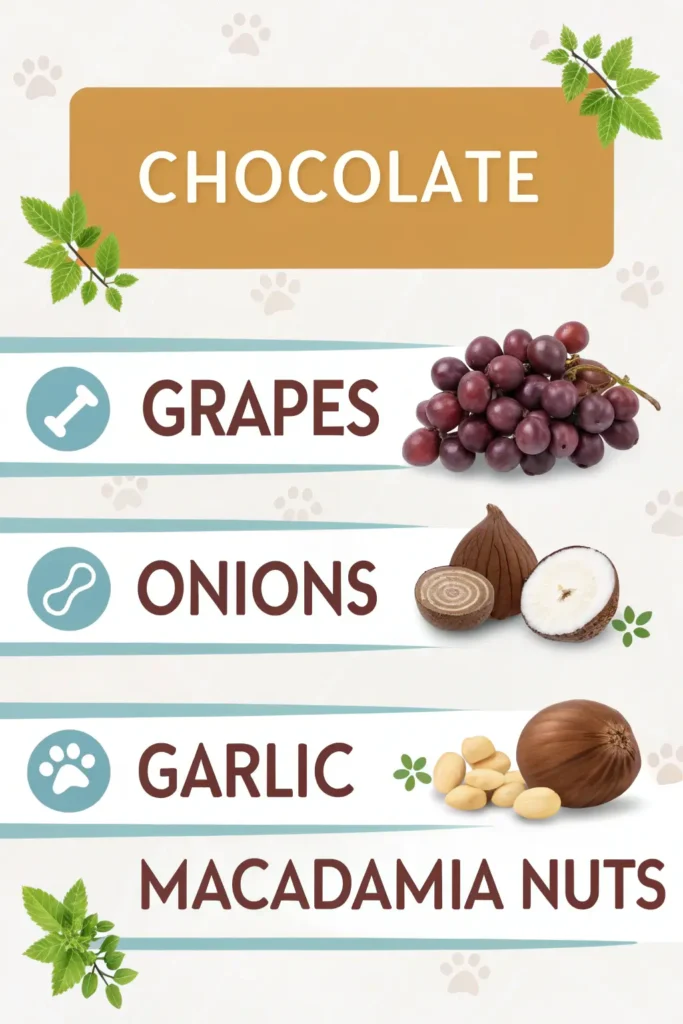
You probably know chocolate is bad, but did you know grapes, onions, garlic, and macadamia nuts are also toxic? The list of no-no foods is longer than you might think.
Vegan Diets Don’t Work
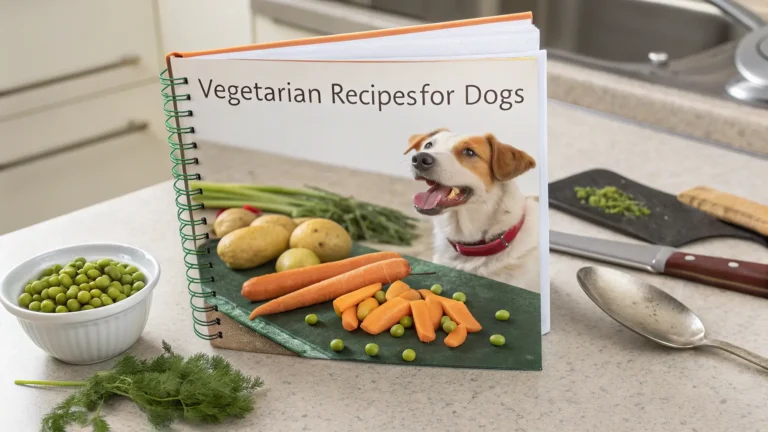
Dogs are omnivores – they need meat. Trying to make your dog go vegetarian is setting them up for nutritional deficiencies.
Storage Can Be Tricky
Homemade food doesn’t have preservatives, so it spoils faster. You’ve got 3-5 days in the fridge or 2-3 months in the freezer. And if it smells funky or has mold, toss it!
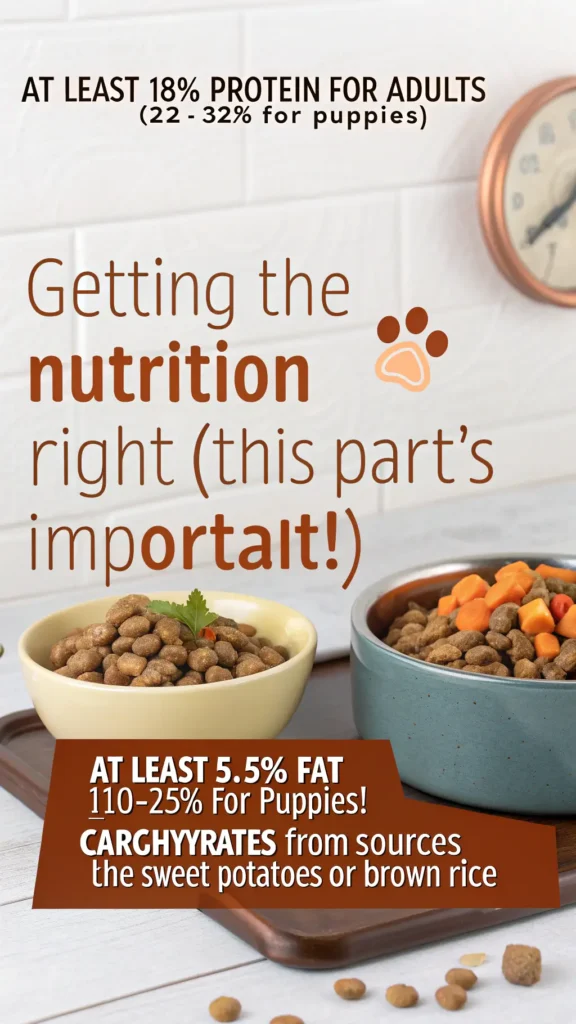
Getting the Nutrition Right (This Part’s Important!)
Here’s where things get a bit technical, but stick with me because this stuff matters:
For adult dogs, you need:
- At least 18% protein (22-32% for puppies)
- At least 5.5% fat (10-25% for puppies)
- Some carbs from good sources like sweet potatoes or brown rice
- Tons of fresh water
Puppies are a whole different ballgame – they need way more calories and specific nutrients for all that growing they’re doing.
How to Actually Do This Right
- Don’t Wing It – Use recipes that have been reviewed by actual veterinarians, not something you found on a random blog.
- Get Professional Help – Seriously, talk to your vet or a veterinary nutritionist. They can create a plan that’s perfect for your specific dog.
- Supplements Are Usually Necessary – Most homemade diets need extras like:
- A good multivitamin designed for home-cooked meals
- Omega-3 fatty acids (add these after cooking to keep them potent)
- Kelp for iodine
- Calcium supplements or ground eggshells
- Maybe some organ meats for extra nutrients
- Follow Recipes to the Letter – This isn’t human cooking where you can improvise. Dogs need exact nutrient ratios.
- Cook Everything Thoroughly – No rare steaks for dogs! Everything needs to be fully cooked to kill bacteria.
Raw vs. Cooked: The Great Debate
Raw diets (BARF) sound natural and ancestral, but the American Veterinary Medical Association says “nope” due to bacteria risks like Salmonella and Listeria. Puppies and immunocompromised dogs are especially vulnerable.
Cooked diets are safer and easier to digest, though you lose some nutrients in the cooking process. Most vets recommend going this route.
Combo feeding gives you flexibility, but it’s more complex to plan and you still have raw food risks to consider.
Practical Tips for Success
- Batch cook – Make big batches and freeze portions
- Use a kitchen scale – Eyeballing portions is how you end up with a chunky or skinny dog
- Transition slowly – Mix increasing amounts of homemade food with their current food over 7 days
- Store properly – Airtight containers are your friend
- No table scraps – Don’t create a beggar!
For puppies specifically: they need to eat 4 times a day when they’re little, and their food should be finely chopped or even blended since their little mouths can’t handle big chunks.
The Bottom Line
Look, homemade dog food can be amazing – when it’s done right. The key phrase there is “when it’s done right.” This isn’t a weekend DIY project you can just figure out as you go. It requires research, professional guidance, and a real commitment to getting the details right.
If you’re up for the challenge and willing to put in the work (and money), your dog could really benefit. But if you’re just looking for a quick fix or think it’ll be easier than commercial food… well, you might want to reconsider.
The most important thing? Talk to your vet before you start. They know your dog’s specific needs and can help you create a plan that’ll keep your pup healthy and happy for years to come. Because at the end of the day, that’s what we’re all after, right?