

Making Dog Food for Sensitive Tummies
Hey There, Fellow Dog Parent!
So your pup’s got a finicky stomach? Trust me, you’re not alone in this struggle. If you’ve been dealing with a dog who turns mealtime into a game of “will they or won’t they throw up,” you’ve come to the right place.
Let’s be real – watching your furry buddy deal with bloating, gas (and boy, can it be rank), vomiting, or diarrhea is pretty heartbreaking. Sure, you could keep buying expensive “sensitive stomach” kibble and hope for the best, but sometimes making your own food is the way to go. Plus, you’ll actually know what’s going into their bowl!

What’s Up with These Sensitive Stomachs Anyway?
Here’s the deal: some dogs just can’t handle certain foods. It’s like that friend who can’t eat dairy without consequences – except your dog can’t tell you their stomach hurts, so you’re left playing detective.
About 8% of dogs deal with food allergies (yeah, it’s more common than you’d think!). This sensitivity thing can happen for a few reasons:
- Food Allergies: Your dog’s immune system basically freaks out over normal food proteins. The usual suspects? Beef, chicken, wheat, milk, eggs, soy, and corn.
- Food Intolerance: Think of it like lactose intolerance but for dogs – they just can’t process certain stuff properly.
- Gut Issues: Sometimes their digestive system just gets out of whack.
Red flags to watch for: frequent puking or loose stools, suddenly being picky about food, gassy episodes that clear the room, and general tummy discomfort. If you’re seeing this stuff regularly, it’s definitely time to switch things up (and maybe chat with your vet).
Picking the Good Stuff for Your Pup’s Belly
When you’re making food for a sensitive stomach, you want ingredients that are easy to digest and won’t cause drama. Think of it as choosing comfort food for your dog.
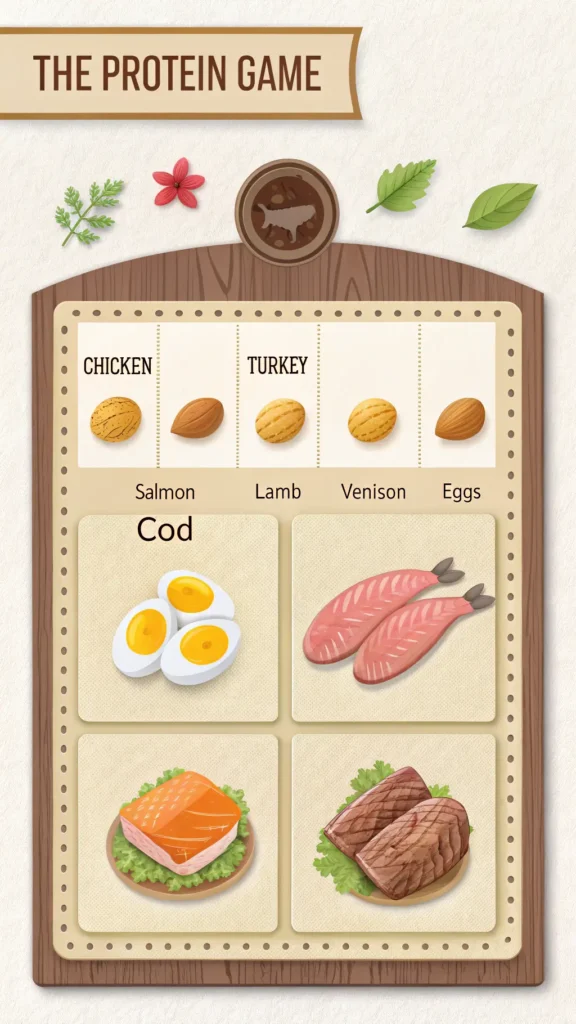
The Protein Game
Go for lean, gentle proteins that won’t upset the apple cart:
- Chicken: Classic choice – most dogs handle it well
- Turkey: Super lean and easy on the stomach
- Fish (like salmon or cod): Packed with those good omega-3s for shiny coats
- Lamb: Gentle and nutritious
- Venison: The fancy option – great for picky eaters since it’s not something they’ve had before
- Eggs: Little nutritional powerhouses
If your dog’s already shown they’re allergic to chicken or beef, try the “novel proteins” like venison or duck – they’re less likely to cause problems since your pup probably hasn’t had them before.
Carbs That Won’t Cause Chaos
Your dog needs energy, but pick carbs that are gentle:
- Brown Rice: The old reliable for upset stomachs (though some people worry about arsenic – honestly, the benefits usually outweigh the risks)
- Sweet Potatoes: These orange beauties are packed with good stuff and easy to digest
- Oats: Great for dogs with inflammatory bowel issues – they’re like a warm hug for the intestines
- Quinoa: The overachiever grain that’s actually a complete protein
Fiber Friends
A little fiber goes a long way for digestive health:
- Pumpkin: The holy grail of dog digestive aids – helps with both loose stools and constipation
- Carrots: Crunchy, sweet, and full of good fiber
- Psyllium Husk: The heavy-duty gut supporter
The Fat Facts
Dogs need healthy fats, but don’t go overboard:
- Salmon Oil & Flaxseed Oil: Omega-3 superstars for skin, coat, and reducing inflammation
- Coconut Oil: Easy to absorb and has some antimicrobial perks
- Sunflower Oil: Another good source of healthy fats and vitamin E
Bonus Ingredients That Rock
- Ginger: Nature’s nausea fighter
- Turmeric: The anti-inflammatory superstar (just don’t expect your dog to appreciate the golden milk trend)
- Blueberries: Little antioxidant bombs that dogs usually love
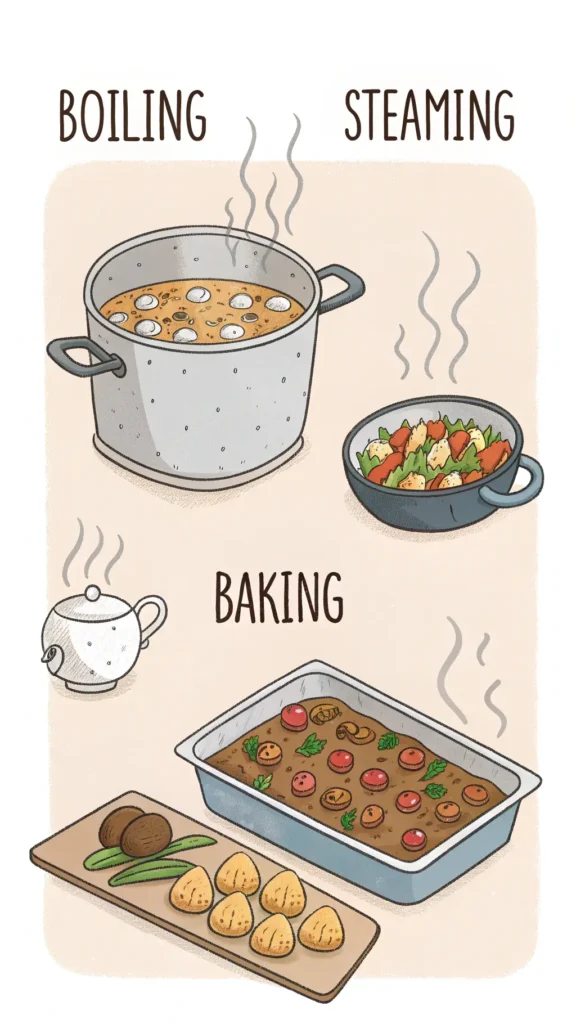
How to Cook This Stuff
Keep it simple – your dog doesn’t need a five-course meal:
- Boiling: Perfect for making everything tender and easy to digest
- Steaming: Great for veggies – keeps all the good nutrients in
- Baking: Gentle and even cooking without adding extra fats
Skip the frying and heavy seasonings – your dog’s stomach will thank you.
Making the Switch (Slowly!)
Here’s where a lot of people mess up – don’t just dump the old food and start fresh. That’s a recipe for disaster (literally).
Take about 7-10 days to transition:
- Days 1-3: Mix 3/4 old food with 1/4 new food
- Days 4-6: Go 50/50
- Days 7-10: Switch to 3/4 new food, 1/4 old food
Then you can go full homemade! Keep an eye on your pup during this time – if things get rough, slow it down.
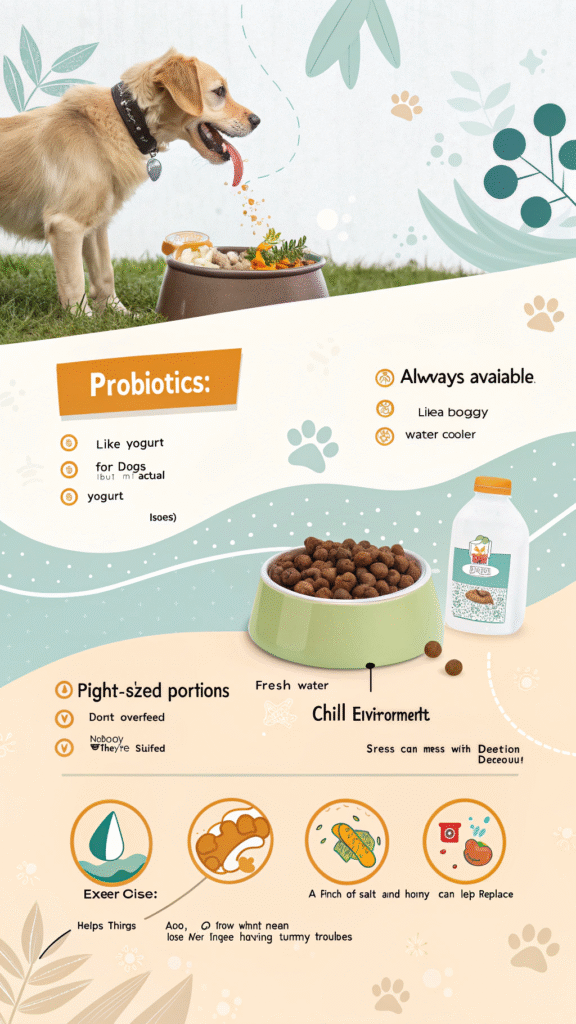
Extra Tips for a Happy Tummy
- Probiotics: Like yogurt for dogs (but not actual yogurt – that can cause issues)
- Right-sized portions: Don’t overfeed – nobody feels good when they’re stuffed
- Fresh water: Always available, like a doggy water cooler
- Exercise: Helps things move along, if you know what I mean
- Chill environment: Stress can mess with digestion, so keep things calm
- A pinch of salt and honey: Can help replace what they lose when they’re having tummy troubles
Let’s Make Some Food!
Here’s a simple recipe that works for most sensitive stomachs. For dogs just getting over a bout of digestive upset, stick to something super simple: 70% meat, 20% steamed veggies, and 10% grated zucchini.
What You Need:
- 1 cup brown rice
- 1 pound ground turkey
- 1 cup plain pumpkin puree (not the pie filling!)
- 1 cup chopped carrots
- 1 cup chopped spinach
- 1 tablespoon fish oil (if you’ve got it)
- ½ teaspoon honey (per 500g of food)
- A few pinches of salt
How to Make It:
- Cook the rice: Boil 2 cups water, add rice, cover, and simmer about 45 minutes
- Brown the turkey: Cook in a skillet until it’s done, drain the fat
- Steam the veggies: Until they’re tender
- Mix it all together: Rice, turkey, veggies, and pumpkin in a big bowl
- Add the extras: Stir in the fish oil, honey, and salt
- Cool and serve: Let it cool completely before serving
Store leftovers in the fridge for up to 5 days, or freeze portions for later.
The Bottom Line
Making homemade food for your sensitive-stomach pup is totally doable and honestly pretty rewarding. You’ll know exactly what’s going into their bowl, and most dogs love the fresh, real food approach.
But here’s the thing – definitely chat with your vet or a canine nutritionist before making the full switch. They can make sure you’re covering all your dog’s nutritional bases and maybe suggest tweaks based on your specific pup’s needs.
Q&A
How do I know if my dog has a sensitive stomach?
Look for the usual suspects: frequent loose stools, random vomiting, being picky about food, clearing-the-room gas, and general tummy discomfort after eating. If it’s happening regularly, it’s probably not just a fluke.
What are the best ingredients for sensitive tummies?
Stick with gentle proteins like turkey, lamb, or fish, plus easy carbs like sweet potatoes and rice. Add some pumpkin and carrots for fiber, and don’t forget healthy fats like salmon oil.
Can I still give my dog a balanced diet with all these restrictions?
Absolutely! You just need to be smart about ingredient choices and make sure you’re covering all the nutritional bases. That’s where talking to a vet or canine nutritionist really helps – they can make sure you’re not missing anything important.