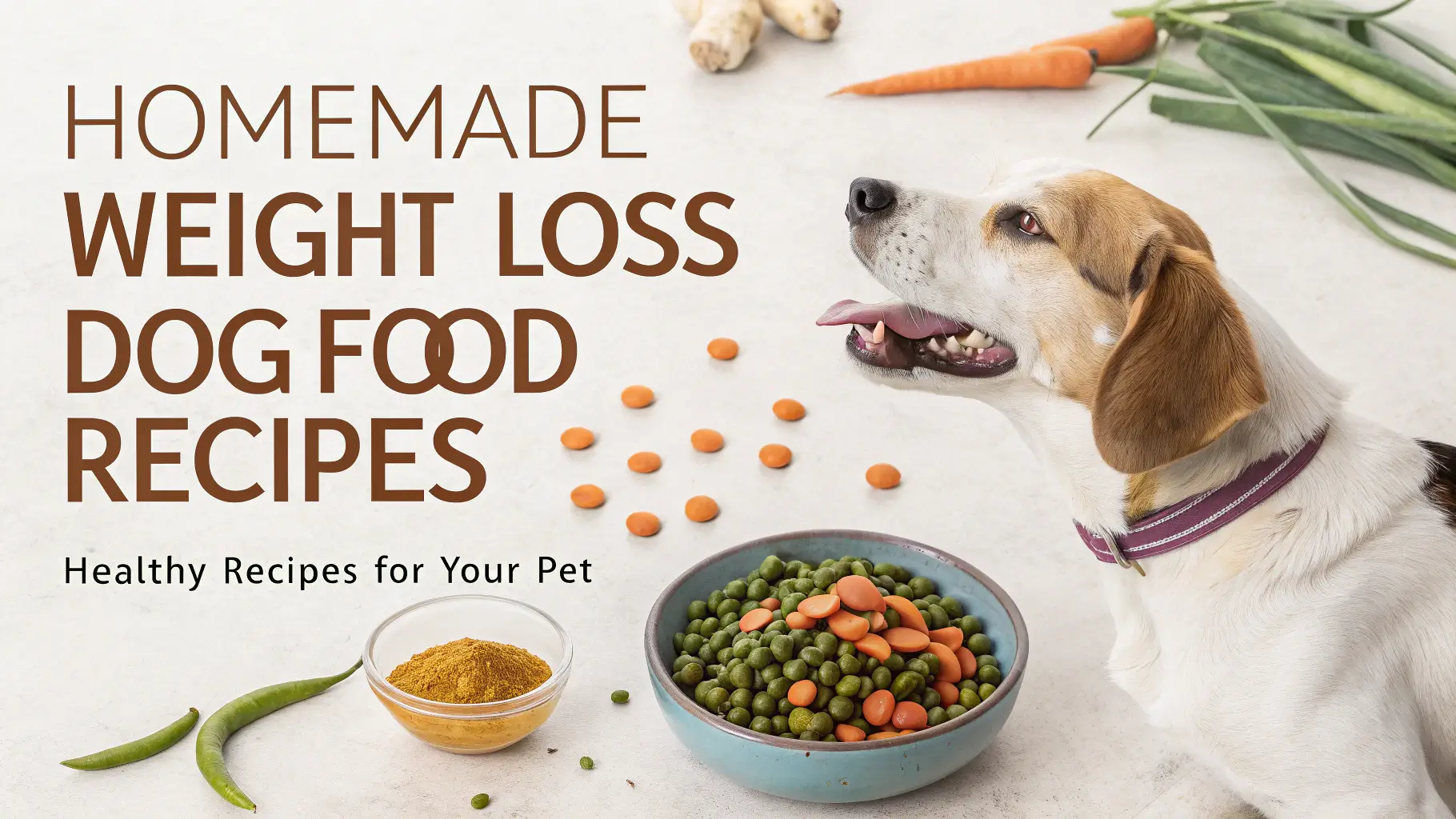
homemade weight loss dog food recipes
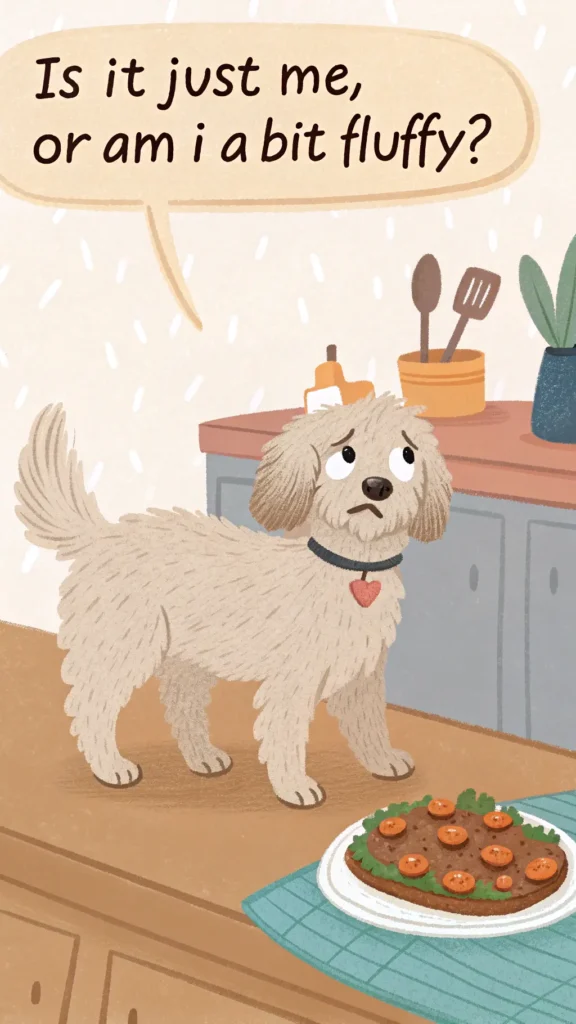
So your dog’s looking a little… fluffy? You’re definitely not alone! Get this – almost 60% of dogs in the U.S. are carrying extra weight. That’s more than half of our furry friends who could use a little help shedding some pounds!
Here’s the thing though – those extra pounds aren’t just about looks. They can actually cause some serious health problems like heart issues, diabetes, and achy joints. Nobody wants their pup dealing with that stuff, right?
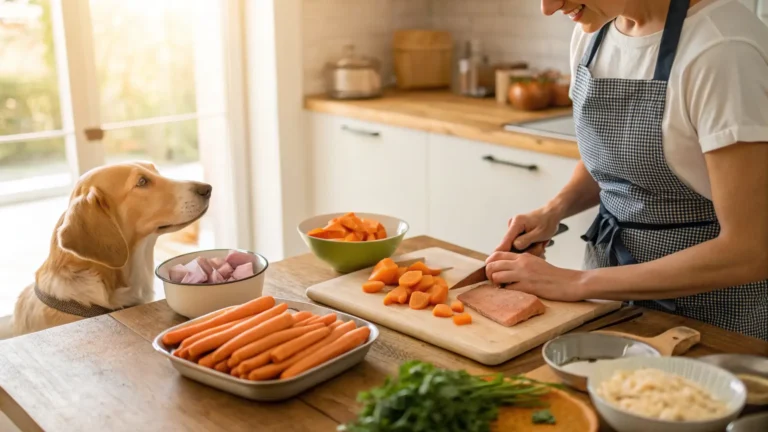
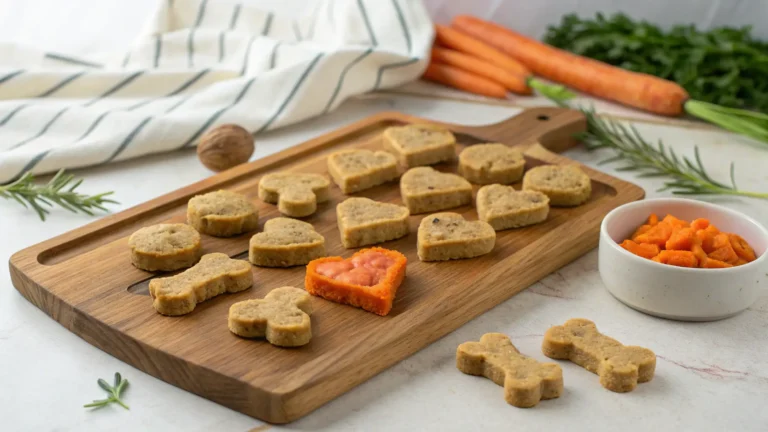
If your vet’s already given you “the talk” about your dog needing to slim down, making homemade low-calorie food might be your best bet. It’s like meal prep for dogs, but way more fun (and they’ll actually eat it).
Why Homemade Food Is Actually Pretty Awesome
Look, I get it. Making your own dog food sounds like a lot of work. But hear me out – there are some real perks:
You’re the boss of what goes in there. No mystery ingredients or weird fillers that nobody can pronounce. You know exactly what your pup’s eating, which is pretty cool when you think about it.
It’s totally customized. Your 12-year-old couch potato needs different food than your neighbor’s hyperactive puppy. With homemade food, you can tailor everything to your dog’s specific needs.
Better ingredients, better results. Fresh, quality stuff instead of whatever’s been sitting in a warehouse for months. Plus, you don’t have to worry about those scary food recalls.
More energy for your pup. A lot of dogs actually perk up when they start eating better. More energy means more playing, which means more calories burned. Win-win!
You control the portions. No more guessing if you’re giving too much or too little. You can measure everything out perfectly.
No junk food. Commercial dog food can be loaded with fillers that add calories but don’t do much else. It’s like feeding your dog potato chips for dinner.
What Should Actually Go in Your Dog’s Food?
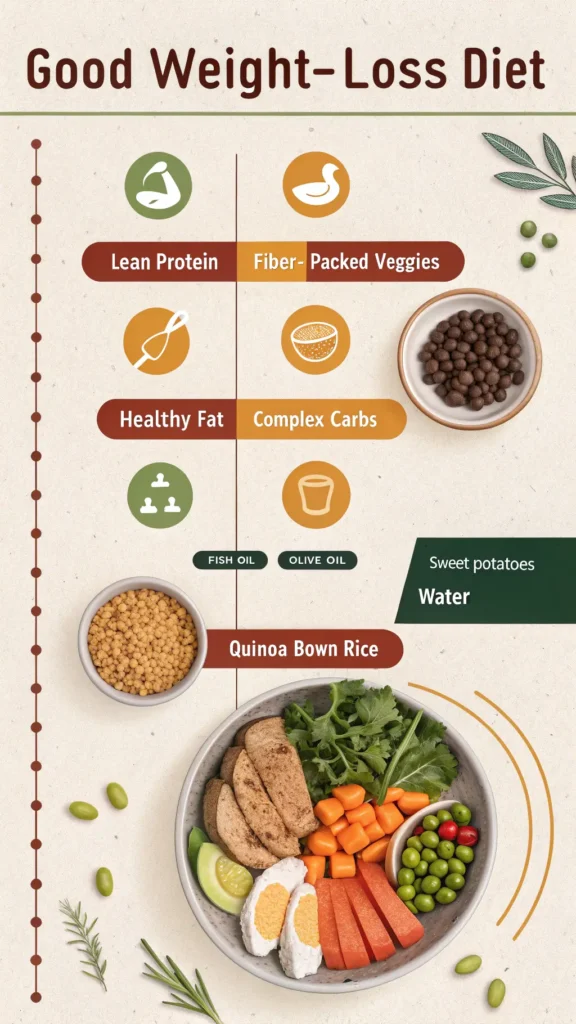
Okay, so what makes a good weight-loss diet for dogs? Think high protein, lots of fiber, and just enough fat to keep things interesting. Here’s what you want:
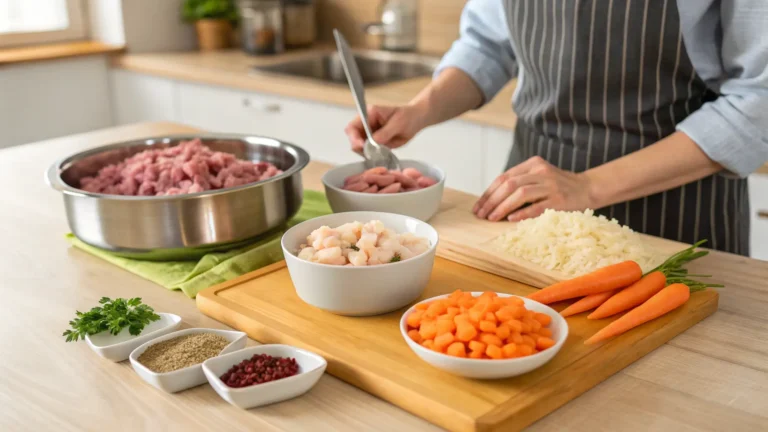
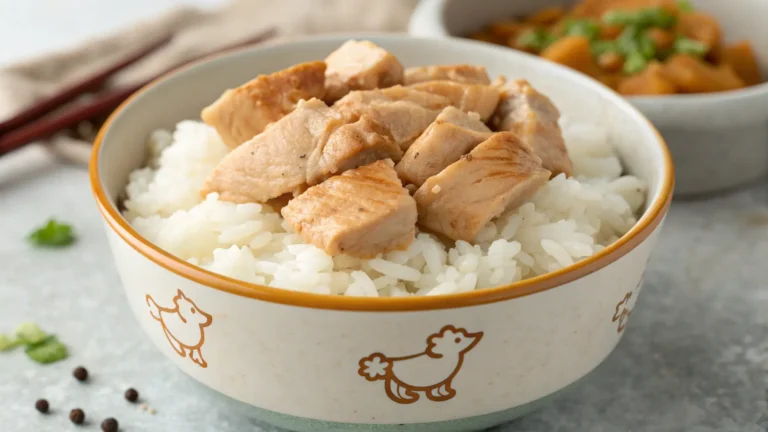
Lean protein – This is your star player. Chicken breast, turkey, lean beef, white fish, eggs. Basically anything that’ll help your dog keep their muscle while losing fat.
Fiber-packed veggies – Green beans, carrots, zucchini, pumpkin, spinach. These guys help your dog feel full without packing on calories. Plus, they’re great for digestion.
A little bit of healthy fat – Don’t go crazy here, but some fish oil or a tiny bit of olive oil keeps their coat shiny and their metabolism happy.
Some complex carbs – Sweet potatoes, quinoa, brown rice. Just small amounts though – think of these as the side dish, not the main course.
Lots of water – Keep that water bowl full! Some dogs eat more when they’re actually just thirsty.
The magic formula that vets love? High protein (over 40%), low fat (10-20%), and decent fiber (4-20%). You’ll probably need some vitamin supplements too, since it’s pretty hard to get everything perfect with just food.
Some Recipes That Actually Work
Here are a few vet-approved recipes that your dog will actually want to eat:
Turkey and Pumpkin Stew (because who doesn’t love a good stew?)
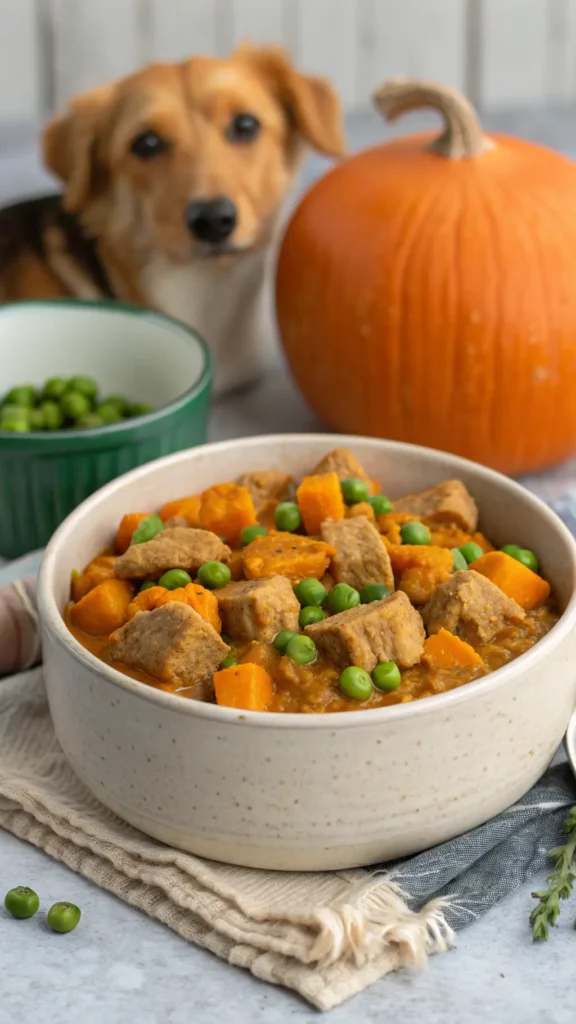
- 1 cup lean ground turkey
- ½ cup pumpkin puree
- ¼ cup peas
- 1 tsp turmeric Mix it all up and watch your dog go crazy for it.
Fish and Spinach Bowl (fancy name for simple food)
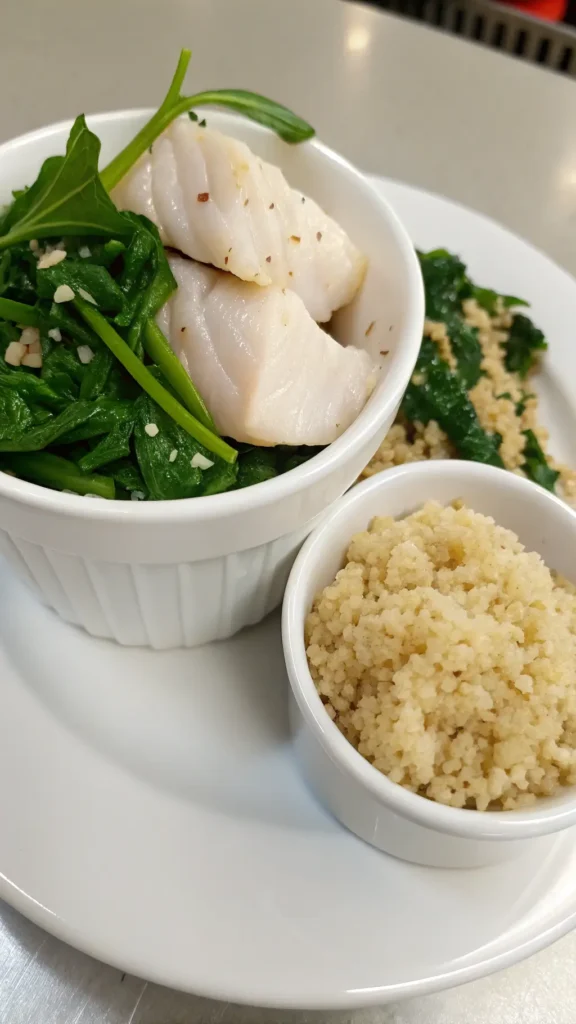
- ½ cup steamed white fish
- ¼ cup chopped spinach
- ¼ cup cooked quinoa Perfect for dogs who like their meals a little more sophisticated.
Carrot and Apple Frozen Treats (because treats don’t have to be evil)
- ½ cup blended carrots
- ½ cup unsweetened applesauce
- ¼ cup plain yogurt Freeze these in ice cube trays for guilt-free snacks.
Making the Switch Without Drama
Nobody likes a hangry dog, so let’s talk about how to transition without causing a revolt:
Talk to your vet first – Seriously, don’t skip this step. They need to make sure your dog doesn’t have any underlying health issues that are causing the weight gain.
Go slow – Start by mixing 25% of the new food with 75% of their old food, then gradually increase over a week or so. Your dog’s stomach will thank you.
Measure everything – Get yourself a kitchen scale. Eyeballing portions is how we got into this mess in the first place!
Watch their poop – I know, gross, but changes in stool can tell you if you’re moving too fast with the transition.
Stick to a schedule – Dogs love routine, and regular meal times help with digestion and prevent overeating.
Keep that water bowl full – Even though homemade food has more moisture, they still need fresh water available 24/7.
The Real Talk About Losing Weight
Here’s what you need to know about actually getting results:
Portion control is everything – Usually cutting food by 10-20% is enough to start seeing results. Don’t go crazy and cut their food in half or anything dramatic like that.
Exercise isn’t optional – Sorry, but diet alone won’t cut it. Your dog needs to move! Even a daily walk around the block helps. Swimming’s great too if your dog’s joints are bothering them.
Supplements might be necessary – Homemade food is awesome, but it’s not always perfectly balanced. Your vet can recommend supplements to fill any gaps.
Be patient – Just like with people, healthy weight loss takes time. You didn’t put the weight on overnight, and it’s not coming off overnight either.
Bottom Line
Getting your dog back to a healthy weight with homemade food isn’t rocket science, but it does take some planning and commitment. The good news? Your dog will probably love the attention and the tastier food, and you’ll love seeing them feel better and have more energy.
Just remember – your vet is your best friend throughout this process. They can help you figure out exactly what your specific dog needs and make sure you’re on the right track. And hey, once your pup’s back to their ideal weight, you’ll both feel pretty awesome about it!